 Opera Houses in Rome
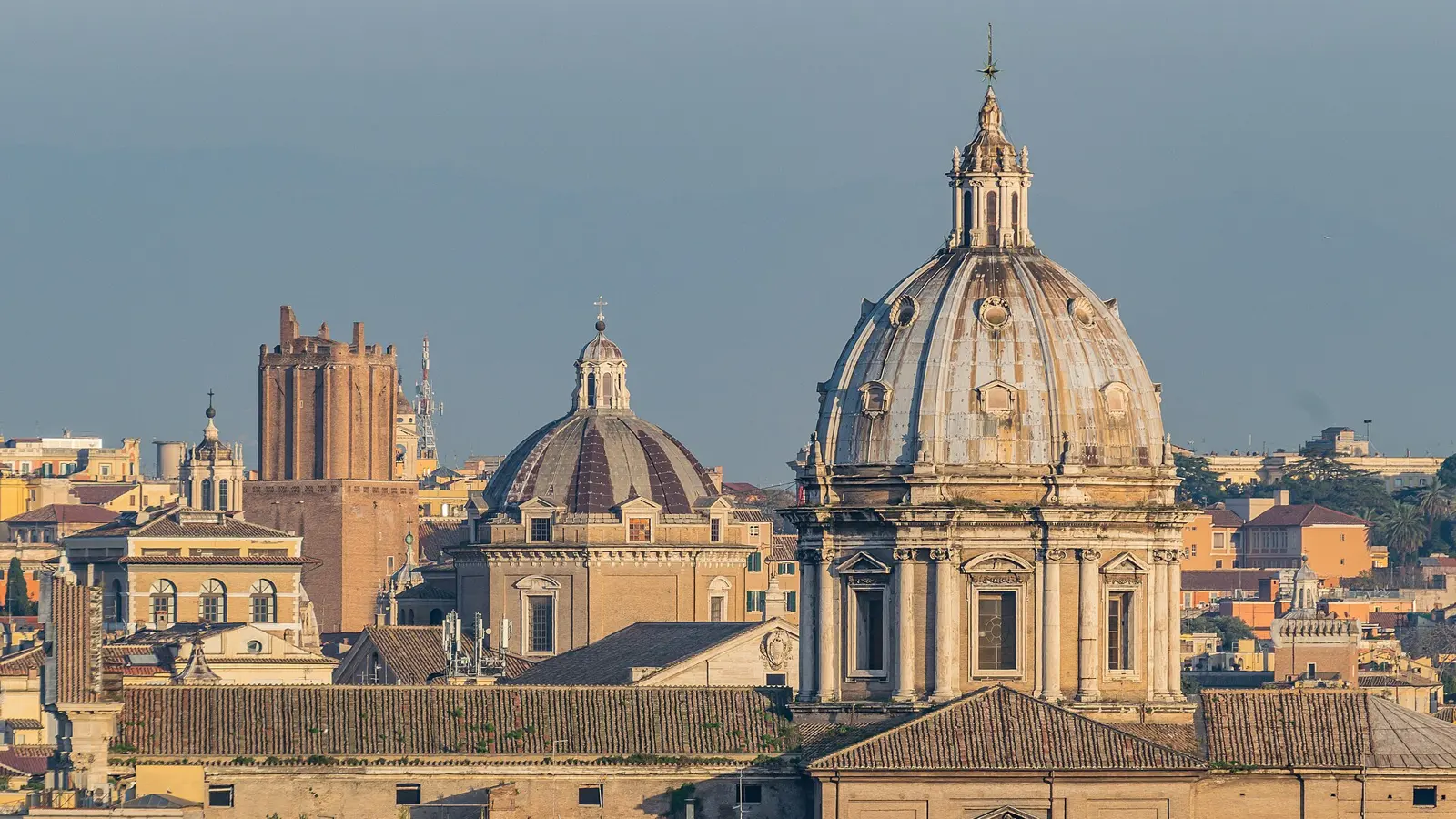
Photo: Krzysztof Golik, CC BY-SA 4.0, via Wikimedia Commons
Sant'Andrea della Valle is the great Theatine basilica on Corso Vittorio Emanuele II and the church where Act 1 of Puccini's Tosca is set. A visit is free, and two operators now run a Tosca arias concert here with an audio-guided look at the basilica. This guide covers the visit, the concerts and a short walk through all three Tosca settings. For every venue, see our guide to the opera houses in Rome.
Quick answer The Tosca church, free by day
Sant'Andrea della Valle is a 17th century Theatine basilica and the setting of Act 1 of Puccini's Tosca. Entry for worship and a look is free, with shoulders and knees covered. Two operators sell a Tosca arias concert here with an audio-guided visit, each $45 per person.
Key takeaways
- Book Tosca Live at Sant'Andrea della Valle and Audio Guide Tour for arias in the church where the opera begins.
- Compare it with the other opera concerts in Rome before you choose an evening.
- Walk the three Tosca settings in a morning: this church, Palazzo della Cancelleria nearby, then Castel Sant'Angelo.
Key facts
Opening hours
| Church | Open for worship and visits, free entry |
|---|---|
| Tosca concerts | Evenings, times on each listing |
Closed Visits pause during services
Planning it
- Time needed
- Our estimate: 30 to 45 minutes for the church alone, up to two hours with a concert
- Book ahead
- Optional — walk-up usually fine
- Address
- Piazza Vidoni 6 / Corso Vittorio Emanuele II, 00186 Rome
Sant'Andrea della Valle in the evening: concerts compared
Evening tickets: an opera in concert, an arias programme or a concert with a drink, with the listed price, length and what the ticket includes.
A whole opera in concert, or an hour of arias?
| Option | Price | Length | Includes | Book |
|---|---|---|---|---|
| Tosca live at Sant'Andrea della Valle with audio guideAnyone who wants the shortest Tosca evening, sung introductions in English | $45 per person | 1.5 hours | Audio-guided visit of the church, Tosca arias concert | Check Availability |
| Tosca's best arias, tour and concert at Sant'AndreaVisitors who want more time and an audio guide in five languages | $45 per person | 2 hours | Concert admission, audio-guided tour in five languages | Check Availability |
Prices are the platforms' own listings, in US dollars. Figures current in Q4 2026.
Concerts at Sant'Andrea della Valle
Evening tickets at Sant'Andrea della Valle.
 from $45
In the Act 1 church
Concert / show · evening
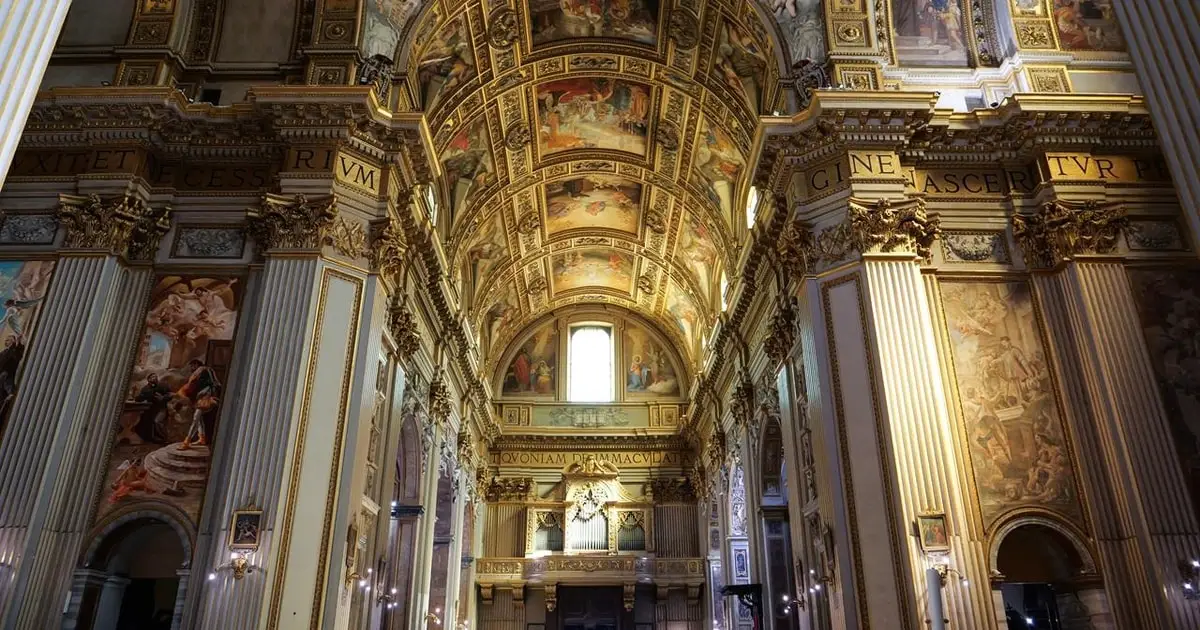
Rome: Tosca Live at Sant'Andrea della Valle and Audio Guide Tour
An audio-guided look at the church where Tosca begins, then Puccini's Tosca arias sung inside it.
Check Availability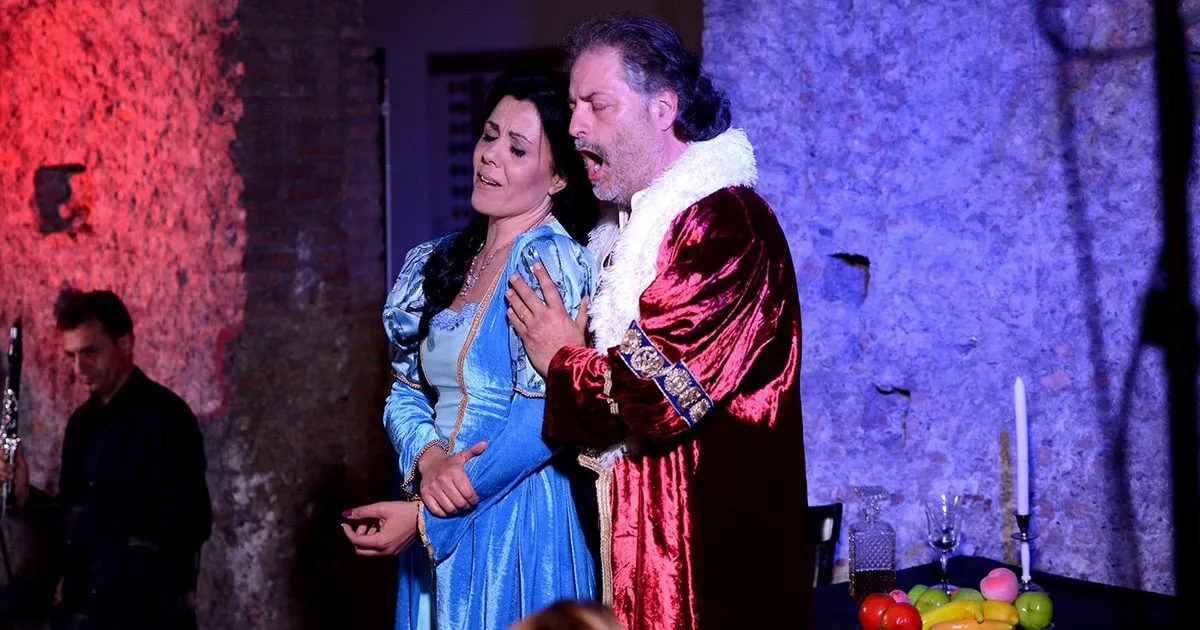 from $45
New
Concert / show · evening
Tosca in Rome – The Most Beloved Arias – Guided Tour and Concert
Opera in Roma's Tosca highlights in the basilica, with an audio guide to the church in five languages.
Check AvailabilityPrices, ratings and details are the platform's own. dollar figures are the listed prices — the platform bills in your account's currency.
What Sant'Andrea della Valle is and why it matters
A Counter-Reformation preaching church of the Theatine order, and the most famous Tosca location in Rome.
A Theatine basilica built for preaching
The Theatines received Donna Costanza Piccolomini d'Aragona, duchess of Amalfi, as their patron in 1582. She left her palace and the church of San Sebastiano on this spot for a new church honouring Saint Andrew, Amalfi's patron. Work began around 1590 under Giacomo della Porta and Pier Paolo Olivieri, restarted by 1608 with an endowment of over 150,000 gold scudi, and the grander plan was designed mainly by Carlo Maderno. The interior was complete by 1650.
The result is one of the great 17th century preaching churches of the Centro Storico, built by the Counter-Reformation orders alongside the Gesù, Sant'Ignazio and the Chiesa Nuova. It is a titular church, a minor basilica and the seat of the general curia of the Theatines. If you are mapping out opera houses in Rome and the places Puccini set to music, this church belongs near the top of the list.
Why opera lovers come
Act 1 of Tosca is set here. The escaped prisoner Angelotti hides in the Attavanti chapel, the painter Cavaradossi works on his fresco and sings Recondita armonia, Tosca arrives jealous of the blonde woman in the painting, and the act closes with Scarpia's Te Deum under this dome. The opera premiered at the Teatro Costanzi in Rome, today's Teatro dell'Opera di Roma, which sells its own season seats and guided tours.
The basilica now hosts Tosca arias concerts in the nave, an unusual chance to hear the music in the building Puccini had in mind. Expect singers and accompaniment in a concert setting, not scenery and costumes.
What you see inside, in walking order
The basilica rewards a slow lap from the facade to the apse. Follow the order below and you cover the highlights in half an hour.
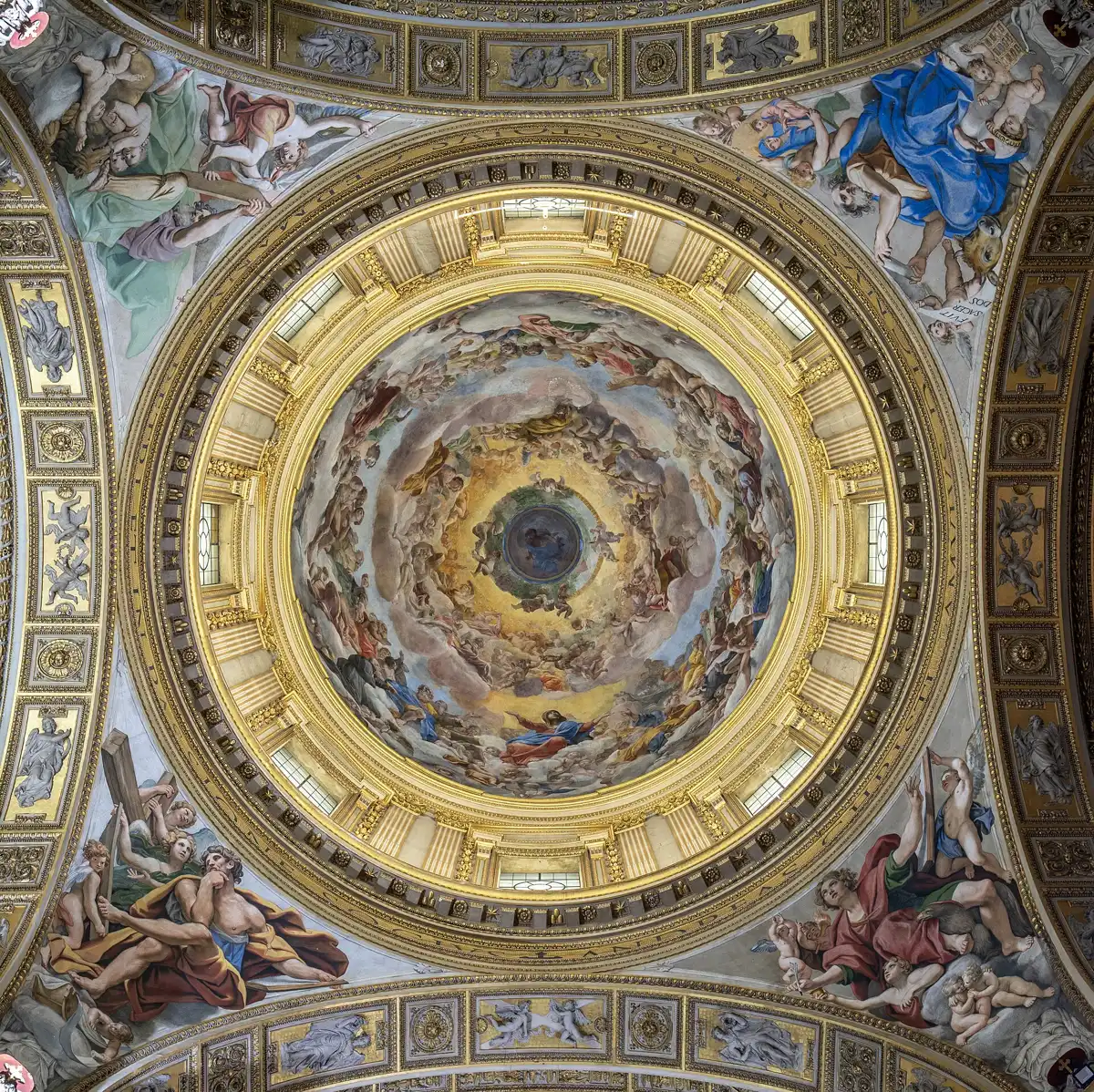
The dome of Sant'Andrea della Valle, frescoed by Giovanni Lanfranco. Photo: Fiat 500e, CC BY 4.0, via Wikimedia Commons
Facade, nave and the dome
Start outside on Corso Vittorio Emanuele II. The facade faces the street at the intersection with Corso Rinascimento, on the Piazza Vidoni side. Step in and look up first: the dome fresco, the Glory of Paradise, was painted by Giovanni Lanfranco and completed in 1627, setting the model for dome decorations for decades after.
Lanfranco won the commission in a contest with Domenichino, and both were employed in the end. Domenichino painted the four evangelists in the pendentives between 1621 and 1628. For a long time this was the third largest dome in Rome, after St Peter's and the Pantheon.
- Lanfranco's Glory of Paradise in the cupola
- Domenichino's evangelists in the pendentives
- The apse decoration by Alessandro Algardi
The chapels, right side then left
On the right, the Ginetti Chapel was designed by Carlo Fontana in 1670, with Antonio Raggi's white marble relief of the angel urging the holy family to flee to Egypt, carved in the manner of his teacher Bernini. The Strozzi Chapel holds bronze copies by Gregorio De Rossi of Michelangelo's Pietà, Leah and Rachel, and was probably designed by Michelangelo himself. In the right transept is the Chapel of St Andrew Avellino with another Lanfranco altarpiece.
On the left, the Chapel of the Madonna della Purità holds an altarpiece copied from Luis de Morales, and the left transept is dedicated to Saint Cajetan, founder of the Theatines. Look for the tomb of Pope Pius II over the entrance to the left circular chapel. The Cappella Barberini was designed for Cardinal Maffeo Barberini, the future Pope Urban VIII, and holds a Saint John the Baptist by Pietro Bernini and Francesco Mochi's Saint Martha, which is far larger than the other sculptures in its niche.
- Ginetti Chapel: Carlo Fontana design, Raggi's Bernini-style angel
- Strozzi Chapel: bronzes after Michelangelo
- Cappella Barberini: sculptures by Pietro Bernini and Francesco Mochi
Hours, dress and quiet times
The church is a working place of worship that welcomes visitors free of charge. A few rules keep it that way.
When to go and what to wear
The basilica is open daily for worship and a look is free. Fixed visitor hours are not stated, so plan for daylight and allow a plan B. Concert evenings meet at the church on Corso Vittorio Emanuele II, and both listings offer free cancellation up to 24 hours before the start.
Dress for a church: shoulders and knees covered. The same rule applies at other concert churches in Rome, and the listings for the evening concerts at St Paul's Within the Walls ask for smart casual. Our advice on what to wear to a concert evening is on the Rome opera dress code page.
Quiet times and behaviour
As our estimate, the church is calmest in the morning and again around the middle of the day, while late afternoons bring tour groups and the approach of Mass. Keep voices low, skip the flash photography during services and do not enter roped chapels. If a service is under way, sit at the back or come back later.
Mass times are posted at the door and are not stated here, so check on site if you need them.
Getting there
The basilica sits between Corso Vittorio Emanuele II and Corso Rinascimento, an easy walk from most of the historic centre.
By foot, bus and metro
Sant'Andrea della Valle stands on Corso Vittorio Emanuele II at Piazza Vidoni, in the rione Sant'Eustachio. From Piazza Navona it is a few minutes on foot, our estimate, and Campo de' Fiori is close by. The nearest metro stops serve the edges of the centre, so most visitors arrive on foot or by bus along Corso Vittorio Emanuele II.
It pairs naturally with the rest of the Tosca trail. Palazzo Farnese, Act 2's setting, is a short walk to the northwest, our estimate, and the route to Castel Sant'Angelo crosses the river by the Ponte Sant'Angelo. If you are planning an evening elsewhere afterwards, note that the opera concerts at St Paul's Within the Walls are on the far side of the centre near Piazza Venezia.
| Starting point | How | Time |
|---|---|---|
| Piazza Navona | Walk, our estimate | about 8 minutes |
| Campo de' Fiori | Walk, our estimate | about 7 minutes |
| Piazza Venezia | Walk along Corso Vittorio Emanuele II, our estimate | about 12 minutes |
How much time to give it
Thirty minutes covers the church. A morning covers all three Tosca settings.
One church or the whole Tosca morning
For the church alone, give it 30 to 45 minutes, our estimate: the dome, the Ginetti and Strozzi chapels and the apse. Add an evening and it becomes a two-hour outing with a concert.
The full Tosca walk works in a morning. Start at the church for Act 1, walk to Palazzo Farnese for Act 2, Scarpia's apartments, then cross the Tiber to Castel Sant'Angelo, where Act 3 ends with Tosca's leap. Walking times below are our estimate.
| Routing | Stops | Walking time, our estimate |
|---|---|---|
| Quick visit | Sant'Andrea della Valle alone | 30 to 45 minutes on site |
| Tosca morning | Church, Palazzo Farnese, Castel Sant'Angelo | About 1 hour walking in total, plus visits |
| Concert evening | Church by day, return for the concert | Two evening listings, 1.5 or 2 hours |
From duchess's bequest to Puccini's stage
The key dates behind the basilica and the opera.
-
1582
Donna Costanza's bequest
Donna Costanza Piccolomini d'Aragona, duchess of Amalfi, leaves her palace and the church of San Sebastiano to the Theatines for a new church honouring Saint Andrew.
-
c. 1590
Work begins
Building starts under the designs of Giacomo della Porta and Pier Paolo Olivieri, with the patronage of Cardinal Gesualdo.
-
1608
Maderno's grander plan
Cardinal Alessandro Peretti di Montalto restarts work with an endowment of over 150,000 gold scudi and a plan designed mainly by Carlo Maderno, and Lanfranco is chosen for the dome.
-
1627
The dome is finished
Lanfranco completes the Glory of Paradise, with Domenichino's evangelists in the pendentives following by 1628.
-
1650
Interior complete
The interior of the church is finished, with later changes by Francesco Grimaldi.
-
1887
Sardou's La Tosca opens in Paris
Victorien Sardou's play premieres with Sarah Bernhardt and runs more than 3,000 times in France alone.
-
1900
Tosca premieres in Rome
Puccini's opera, whose Act 1 is set in this church, opens at the Teatro Costanzi, today's Teatro dell'Opera di Roma.
Sources: Sant'Andrea della Valle and Tosca Wikipedia entries, facts from the theatre's published history.
Dos and don'ts at Sant'Andrea della Valle
Simple rules that keep the visit smooth and respectful.
Do
- Cover shoulders and knees before you step inside
- Look up at Lanfranco's dome first, it is the headline
- Sit for a few minutes in front of the Strozzi Pietà bronzes
- Book a concert ahead, free cancellation runs up to 24 hours before
- Check the concert dates on the listing before planning the rest of the day
- Pair the visit with Palazzo Farnese and Castel Sant'Angelo for the full Tosca trail
Don't
- Do not expect a staged opera, the evenings here are arias concerts
- Do not plan a fixed visitor hour, exact opening times are not stated
- Do not raise your voice during a service
- Do not enter roped-off chapels
- Do not bring more than a small bag into the concert
- Do not confuse this with a tour of the opera house itself, theatre visits are sold separately at the theatre
Five things most visitors do not know
Details that change how you look at the basilica.
The list
A short list of facts worth carrying with you.
- The money to build it was a private bequest from a duchess of Amalfi, who gave her palace and an older church to the Theatines in 1582 Wikipedia: Sant'Andrea della Valle.
- The dome was for a long time the third largest in Rome, after St Peter's and the Pantheon Wikipedia: Sant'Andrea della Valle.
- Lanfranco and Domenichino competed for the dome fresco, and both ended up working on it Wikipedia: Sant'Andrea della Valle.
- The Strozzi Chapel bronzes of Michelangelo's Pietà, Leah and Rachel may sit in a chapel Michelangelo himself designed Wikipedia: Sant'Andrea della Valle.
- Tosca premiered at the Teatro Costanzi in Rome and was delayed one day for fear of disturbances, despite becoming an immediate public success Wikipedia: Tosca.
Map: the church and the Tosca neighbourhood
The basilica sits in the heart of the Centro Storico, with most of the Tosca locations and several concert venues within a short walk.
- 1 Sant'Andrea della ValleThe Theatine basilica where Act 1 of Tosca is set, free to visit with shoulders and knees covered.
- 2 Palazzo FarneseAct 2 is set here, in Scarpia's rooms, and the palace today serves as the French Embassy.
- 3 Castel Sant'AngeloThe fortress prison where Act 3 ends with Tosca's leap, now a national museum.
- 4 Palazzo della CancelleriaA Renaissance palace near Campo de' Fiori that opens to the public for evening opera concerts.
- 5 Campo de' FioriThe market square a couple of minutes from the basilica, useful for a coffee before a concert.
- 6 Piazza NavonaBernini's fountain square within walking distance, with rooftop opera evenings at Palazzo Pamphilj behind it.
Numbers match the pins on the map.
Near the basilica
Three places that combine well with a visit.
Palazzo della Cancelleria
The earliest Renaissance palace in Rome is closed to ordinary visits, so the evening arias concert is the way inside the frescoed hall. It sits between Corso Vittorio Emanuele II and Campo de' Fiori, minutes from Sant'Andrea.
About 5 min walk (our estimate) Read the guidePiazza Navona and Palazzo Pamphilj
Behind Bernini's fountain, opera evenings with an aperitif run on the Terrazza Borromini above Piazza Navona. They cost more than the basilica concerts and sell limited seats.
About 10 min walk (our estimate) Read the guideTeatro dell'Opera di Roma
The Teatro Costanzi premiered Tosca in 1900 and still stages the full opera each season. The theatre sells its own seats and guided tours, so check its site for dates.
Across the centre, short ride Read the guidePractical questions
Is Sant'Andrea della Valle free to enter?
Yes. Entry to the church for worship and a look is free. What costs money is the evening Tosca arias concert with an audio-guided visit, sold from $45 per person on the listings above. Dress code applies either way, so cover shoulders and knees before you go in.
How old is the basilica?
Work began around 1590 under Giacomo della Porta and Pier Paolo Olivieri. Carlo Maderno redrew the plan on a grander scale from 1608 and the interior was finished by 1650, which makes it one of the great 17th century preaching churches of the Centro Storico.
Who designed Sant'Andrea della Valle?
The first designs were by Giacomo della Porta and Pier Paolo Olivieri. Carlo Maderno was the main architect of the grander church that followed, and Francesco Grimaldi added changes before the interior was completed. Carlo Fontana designed the Ginetti Chapel.
Is the Tosca concert here the full opera?
No. Both listings sell arias from Tosca sung in the basilica, not a staged production, and both say so plainly. For the full opera with scenery and orchestra, look at the season of Rome's opera house instead.
Do either of the concerts have reviews?
Not yet. Both the Orpheo Italia and the Opera in Roma listings are new and carry no reviews at the moment. Both offer free cancellation up to 24 hours before the start, which lowers the risk of booking early. Check the dates on each listing before you commit.
Where does Act 1 of Tosca take place?
Inside this church. Angelotti hides in the Attavanti chapel, Cavaradossi sings Recondita armonia at his fresco and Scarpia closes the act with the Te Deum. Act 2 follows at Palazzo Farnese and Act 3 at Castel Sant'Angelo, so all three settings can be walked in a morning.
Is this the most beautiful church in Rome?
That is a matter of taste and visitors argue about it endlessly. What the basilica can claim on fact is Lanfranco's dome, once the model for dome frescoes everywhere, and the third largest dome in Rome for a long time after St Peter's and the Pantheon.
What should I wear to a concert in the church?
The church itself asks for shoulders and knees covered, and concert evenings are smart casual in practice. There is no formal dress rule for these arias evenings. For the theatre's own premieres the rule is stricter, which we detail on the opera dress code guide.
Prices, hours and terms are set by the venue or operator and confirmed at checkout.
We may earn a commission if you book through one of our links, at no extra cost to you. Full affiliate disclosure