 Opera Houses in Rome
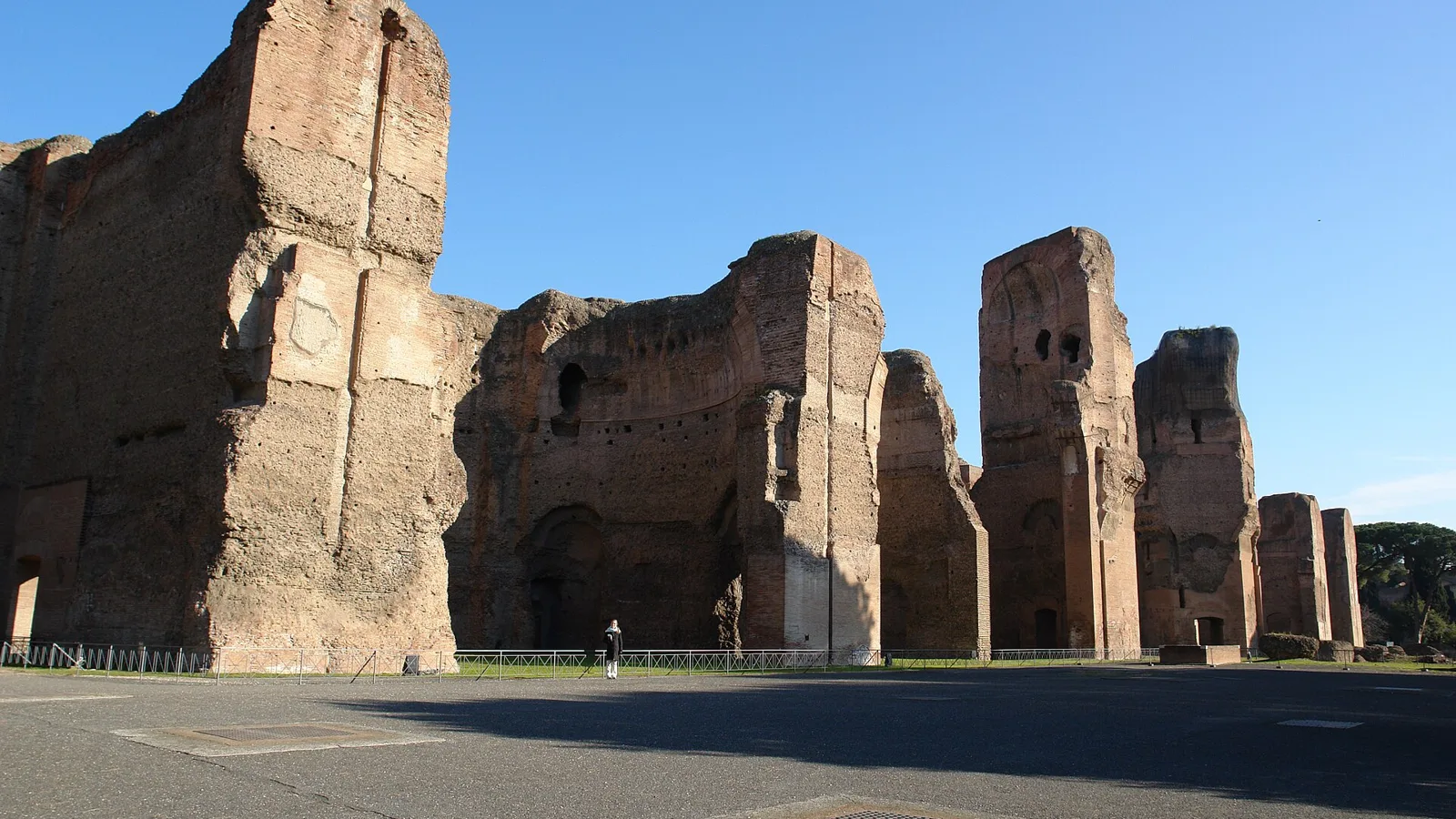
Photo: Pascal Reusch, CC BY-SA 3.0, via Wikimedia Commons
On 7 July 1990 the three tenors Caracalla 1990 concert brought José Carreras, Plácido Domingo and Luciano Pavarotti to the Baths of Caracalla, with Zubin Mehta conducting, on the eve of the World Cup final. Pavarotti sang Nessun dorma, and the recording became the best-selling classical album of all time. This guide tells the story and shows how to see the Baths and hear the music today, when planning opera houses in Rome visits.
Quick answer The 1990 Three Tenors concert at a glance
The first Three Tenors concert was sung at the Baths of Caracalla in Rome on 7 July 1990 by José Carreras, Plácido Domingo and Luciano Pavarotti, conducted by Zubin Mehta. It was held the evening before the 1990 FIFA World Cup final, watched by a television audience of around 800 million, and its recording became the best-selling classical album of all time.
Key takeaways
- The Baths of Caracalla are open to visitors today: see the Caracalla Baths guided tour or the Baths ticket with audio guide app
- The Three Tenors evenings sold in Rome now are tributes by today's singers, such as the Three Tenors concert at St Paul's
- The full summer opera programme at the Baths is covered on our Caracalla opera page
- For the indoor season, see the Teatro dell'Opera di Roma
The night of 7 July 1990
One evening in the ruins of a Roman bath complex changed how the world heard opera.
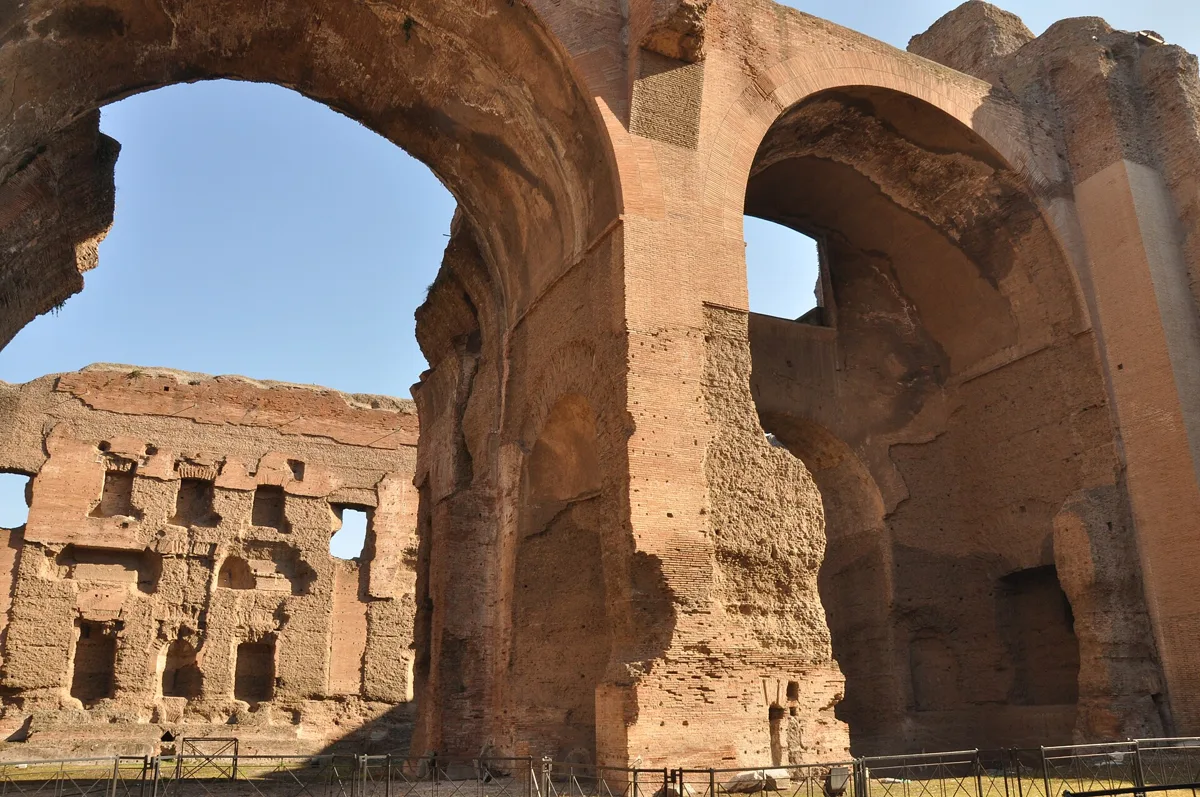
The great halls of the Baths of Caracalla. Photo: T. Thielemans, CC BY 3.0, via Wikimedia Commons
Who sang and who conducted
The three voices were José Carreras, Plácido Domingo and Luciano Pavarotti, two Spaniards and an Italian. Zubin Mehta conducted two orchestras on the same night, the orchestra of the Maggio Musicale Fiorentino and the orchestra of the Teatro dell'Opera di Roma. The concert was recorded for Decca and released as Carreras Domingo Pavarotti in Concert, later reissued as The Three Tenors in Concert.
The concert was conceived by Italian producer Mario Dradi with German producer Elmar Kruse and British producer Herbert Chappell, and it raised money for the José Carreras International Leukemia Foundation. It was also a way for Domingo and Pavarotti to welcome Carreras back to opera after his successful treatment for leukemia.
- José Carreras, tenor
- Plácido Domingo, tenor
- Luciano Pavarotti, tenor
- Zubin Mehta, conductor
- Orchestra of the Maggio Musicale Fiorentino
- Orchestra of the Teatro dell'Opera di Roma
The eve of the World Cup final
The date was chosen for the occasion. Rome hosted the 1990 FIFA World Cup final, and the concert fell on the evening before it. FIFA itself noted that the image of three tenors in formal evening dress singing in a World Cup concert captivated the audience.
Around 800 million people watched on television. For the encore, Pavarotti sang Nessun dorma again, taking turns with Carreras and Domingo before all three sang the final Vincerò together. That aria, from Puccini's Turandot, had already reached number 2 in the UK singles chart as the theme of BBC television's World Cup coverage.
After the concert it became Pavarotti's signature aria and a sporting anthem in its own right.
- Concert: 7 July 1990, Baths of Caracalla, Rome
- Television audience: around 800 million
- Encore: Nessun dorma, sung by all three
- Recording: best-selling classical album of all time
Why the Baths of Caracalla
The venue was not an accident. The Baths were already Rome's open-air opera stage.
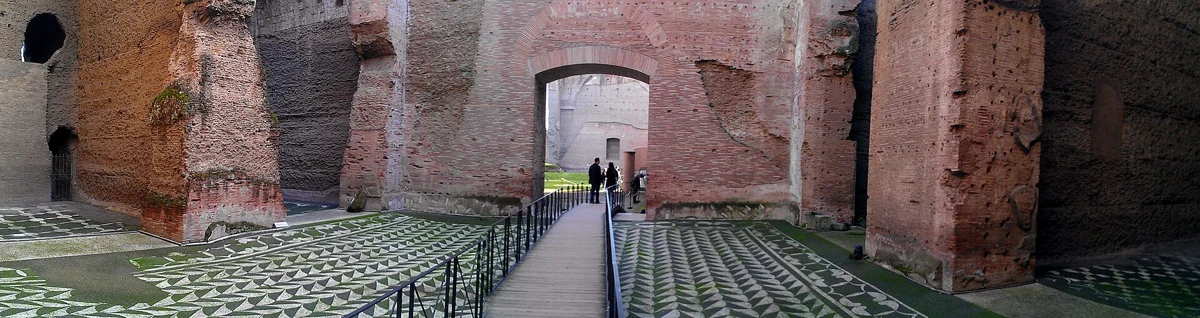
The western apodyterium of the Baths of Caracalla. Photo: Ethan Doyle White, CC BY-SA 4.0, via Wikimedia Commons
The opera's summer home since 1937
The Teatro dell'Opera di Roma has run an open-air summer festival at the Baths since 1 August 1937, when Lucia di Lammermoor opened there with Toti Dal Monte and Beniamino Gigli. The next year an auditorium for 20,000 spectators was built inside the calidarium. Opera played at the Baths from 1937 to 1993, with a break from 1940 to 1945, and returned in 2001 on a movable stage set apart from the ruins.
Aida is the opera most often staged there. So in 1990 the concert used a stage the city's opera company had been filling for more than fifty years.
- Open-air opera began at the Baths on 1 August 1937
- An auditorium for 20,000 was built in the calidarium in 1938
- Opera played there 1937 to 1993, resumed in 2001
The ruins themselves
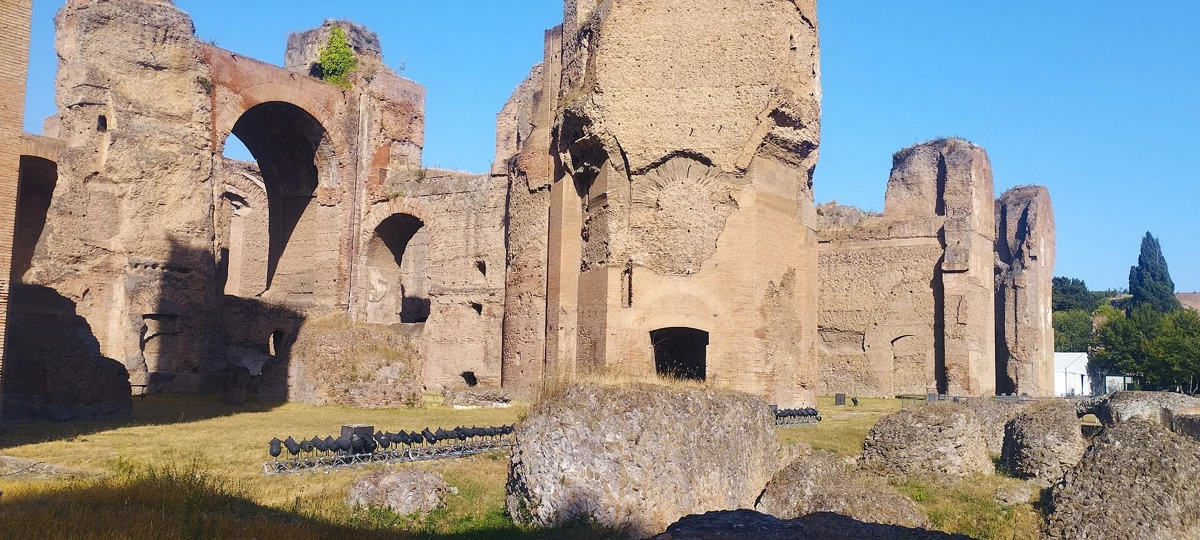
The Baths of Caracalla were inaugurated in AD 216 under the emperor Caracalla, begun under Septimius Severus. They were Rome's second largest public bath complex, in use until the 6th century, and were counted among the seven wonders of Rome in late antiquity. Daily capacity is thought to have been 6,000 to 8,000 bathers.
The Baths sit south of the centre on Viale delle Terme di Caracalla, served by the Circo Massimo metro stop on line B, with the Circus Maximus about a 10-minute walk away. Today they are a tourist attraction by day and a concert venue again in summer. The full story of the festival, including the seasons when the ruins were under restoration, is on our Caracalla opera page.
The album that outsold everything
The recording of that night broke every rule the classical industry had.
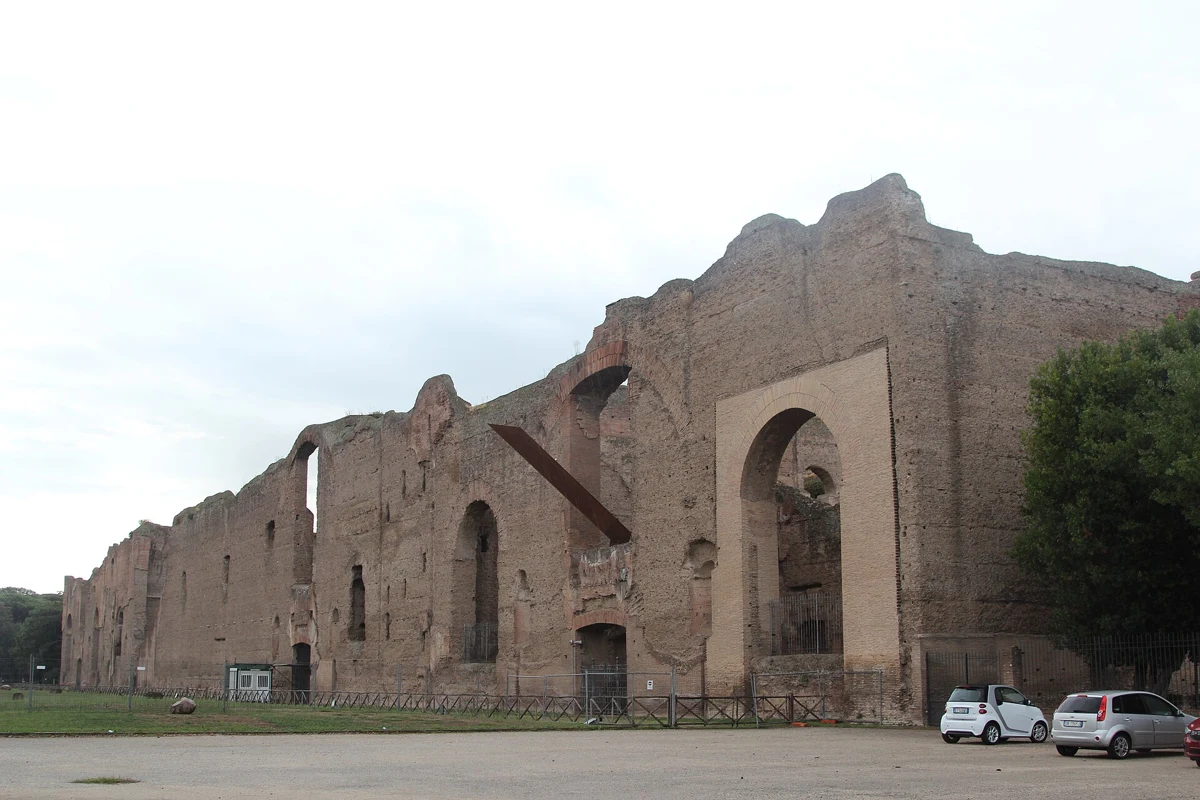
The Baths of Caracalla in afternoon light. Photo: Fallaner, CC BY-SA 4.0, via Wikimedia Commons
Records and awards
The album won the Grammy Award for Best Classical Vocal Performance in 1991 at the 33rd Grammy Awards. It holds the Guinness World Record for the best-selling classical music album and achieved triple platinum status in the United States alone. The concert is particularly known for its two recordings of Nessun dorma: Pavarotti singing it alone, and then the encore in which all three tenors sing individually and join for the final phrase.
The programme also included a tribute to the tenor Giuseppe di Stefano and songs honouring each singer's cultural heritage. Lalo Schifrin arranged the music, and Herbert Chappell and Gian Carlo Bertelli produced the filmed version.
- Grammy Award for Best Classical Vocal Performance, 1991
- Guinness World Record for best-selling classical album
- Two versions of Nessun dorma on the record
What the tenors earned
The money story is contested, so treat it as such. For the Rome concert the three singers agreed to accept relatively small flat fees for the recording rights and donated them to charity. The album then reaped millions in profits for Decca Records, and the tenors officially received no royalty payments.
Press reports at the time said Domingo suspected the record company had paid Pavarotti on the side, which Pavarotti denied, insisting they got nothing. Years later Pavarotti's former manager Herbert Breslin wrote that Pavarotti had indeed secretly received $1.5 million that the other two, who were not under contract to Decca, did not receive. What is not disputed is that for later concerts the singers took far more care with their contracts.
What happened next
One concert became a trio that toured the world for thirteen years.
Brick vaults of the Baths of Caracalla. Photo: Perla Marvorid, CC BY-SA 4.0, via Wikimedia Commons
From Rome to the stadiums
The 1990 concert led to thirty-three additional concerts with Carreras, Domingo and Pavarotti, plus three more live audio and video albums, all best-sellers. They sang to television audiences at three further World Cup finals: 1994 at Dodger Stadium in Los Angeles, 1998 on the Champ de Mars under the Eiffel Tower in Paris, and 2002 in Yokohama. Nearly 50,000 people attended the 1994 Dodger Stadium concert and around 1.3 billion viewers watched it.
A world tour ran through 1996 and 1997, taking in Tokyo, London, Vienna, New York, Munich, Vancouver, Melbourne, Toronto, Miami and Barcelona among others. The trio's last concert together was at the Schottenstein Center in Columbus, Ohio, in 2003.
- 33 further concerts after Rome
- World Cup finals: Los Angeles 1994, Paris 1998, Yokohama 2002
- Last concert together: Columbus, Ohio, 2003
The group's legacy
The Three Tenors were active from 1990 to 2003 and were called a supergroup, a title normally kept for rock bands. Their repertoire ranged from opera to Broadway, Neapolitan songs and pop hits, with Nessun dorma, usually sung by Pavarotti, and 'O sole mio, sung by all three, as their signature numbers. Some opera purists criticised the group, but the success forced the music industry to change how it marketed classical recordings, splitting into what became described as core classical and strategic classical areas.
Pavarotti died in 2007. The three tenors in Rome you can hear today carry the name forward as a tribute, which is a different thing and worth being clear about before you book.
The Baths today: visiting by day
You can walk the stage the tenors sang on. Here is how.
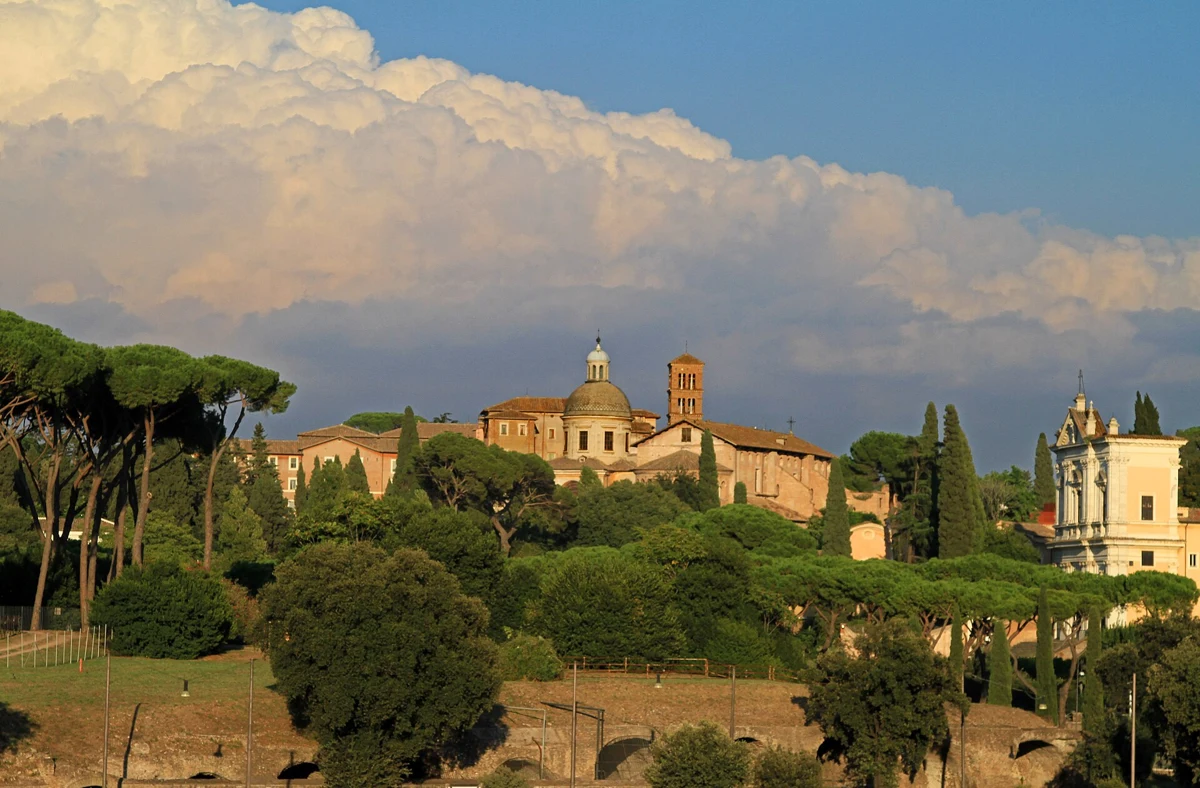
The Circus Maximus, the 2026 home of the summer opera. Photo: Carlo Pelagalli, CC BY-SA 3.0, via Wikimedia Commons
Guided tours of the Baths
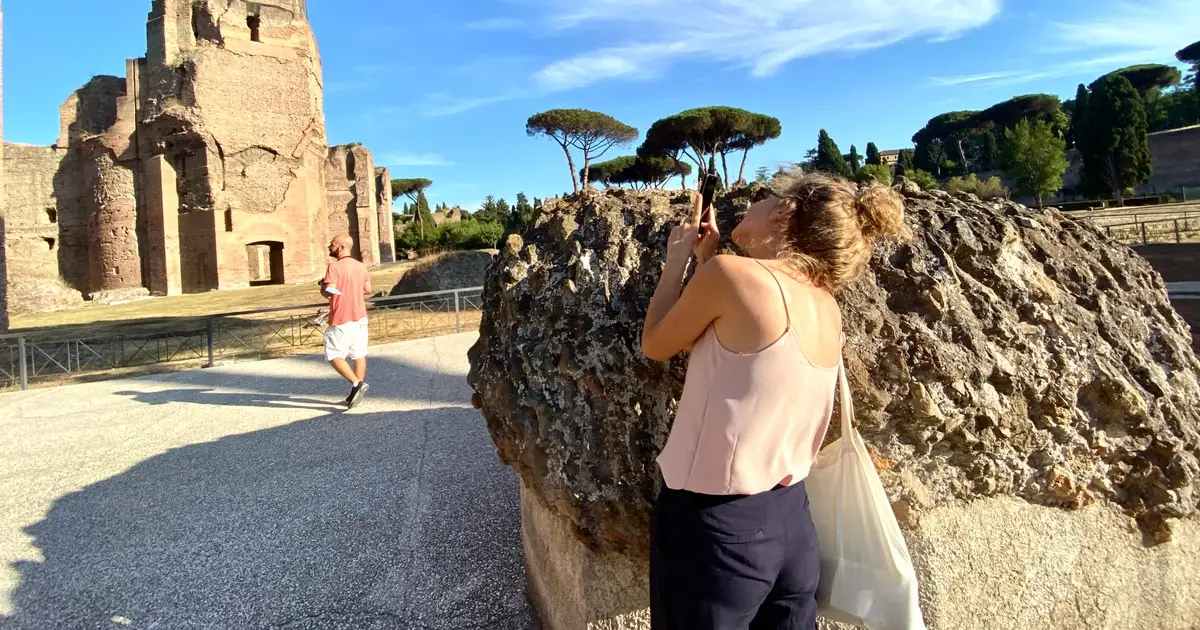
Two daytime visits cover the site well. If you want the opera connection explained as well as the archaeology, take the Caracalla Baths and Circus Maximus guided tour: an archaeologist walks you round the Baths where the summer opera began, then on to the Circus Maximus, in one hour and a half for $73 per person, with Baths entry and headsets included. It runs outdoors, so bring a hat and water in summer.
Groups go up to 10 or 16, or you can book it privately. This is the tour we would pick, because the guide can point out where the auditorium stood inside the calidarium.
- Duration: 1.5 hours
- Price: $73 per person
- Includes Baths entry, archaeologist guide and headsets
- Meeting point: Viale Aventino 3, by the Circo Massimo metro
On your own with an audio guide
If you would rather wander at your own pace, the Baths of Caracalla ticket with audio guide app costs $10 per person and gives you entry plus an app audio guide with 17 stops, for about two hours. Bring headphones and a charged phone. A recent addition to the site is a two-storey Roman house deep below the baths, built during the reign of Hadrian, with frescoed ceilings and a lararium, now open to the public.
After the Baths, the Teatro dell'Opera di Roma, whose company made the Baths famous as an opera stage, offers its own one-hour guided tours of the indoor theatre. For evening plans at either venue, our pages on opera in Rome and Rome opera tickets cover the season.
Three Tenors tribute evenings in Rome now
Nobody books Pavarotti in 2026. Here is what the Three Tenors name means in a Rome concert listing today.
The tributes at St Paul's Within the Walls
The main Three Tenors evenings play at St Paul's Within the Walls on Via Nazionale, the American church that is Rome's busiest opera-concert venue. The Three Tenors concert at St Paul's Church costs $39 for one hour and a half: three tenors, a string quartet and piano, performing Nessun dorma, 'O sole mio and the arias the 1990 concert made famous. It is sung by three tenors of the Opera e Lirica company as a tribute to the 1990s concerts.
They are not the original singers, and the listing says so plainly. A lighter alternative from Opera in Roma, the Three Tenors with Neapolitan songs and ballet, adds mandolin, dancers and tarantellas between the arias for $45.
- Three Tenors at St Paul's: $39, 1.5 hours, 4.8 stars from 1,128 reviews
- Three Tenors with Neapolitan songs and ballet: $45, 1.5 hours
- Both meet at St Paul's Within the Walls, Via Nazionale 16a
Seasonal and other options
The same Opera e Lirica tenors also give a New Year's Day Three Tenors concert at the Methodist church on Via XX Settembre, 80 minutes of arias, Christmas songs and waltzes for $45, on 1 January only at 20:30, with unnumbered seats filled first come, first served. Beyond the Three Tenors name, Rome has a whole circuit of opera concerts in churches and palaces: single arias, concert stagings of La Traviata and more. Our opera concerts in Rome page sorts those out, and the dress code for opera in Rome is simple for church venues: smart casual.
If you want to hear opera where the tenors actually sang, the summer festival at the Baths is the real thing, with seats sold by the theatre itself.
Three Tenors evenings and Baths visits compared
Five bookable options, from a daytime ruin to an evening concert, side by side. The options side by side, with prices and lengths as listed on GetYourGuide and Viator and the theatre facts from its own website.
| Option | Type | Price | Duration | Where |
|---|---|---|---|---|
| Caracalla Baths and Circus Maximus guided tour | Daytime guided visit | $73 | 1.5 hours | Viale Aventino 3 |
| Baths ticket with audio guide app | Daytime self-guided visit | $10 | About 2 hours | Viale delle Terme di Caracalla 52 |
| Three Tenors at St Paul's Church | Tribute concert | $39 | 1.5 hours | Via Nazionale 16a |
| Three Tenors with Neapolitan songs and ballet | Tribute concert with dance | $45 | 1.5 hours | Via Nazionale 16a |
| New Year's Day Three Tenors concert | Tribute concert | $45 | 80 minutes | Via XX Settembre 122 C |
All three concert options are tributes by today's singers, not Carreras, Domingo and Pavarotti. The two daytime visits cover the concert site itself. in Q4 2026
Bookable options in this guide
Everything mentioned above, in one list.
 from $73
Most reviewed
Visit · by day
Rome: Caracalla Baths & Circus Maximus, Private or Shared
An archaeologist takes you round the Baths where the summer opera began, then to the Circus Maximus.
Check Availability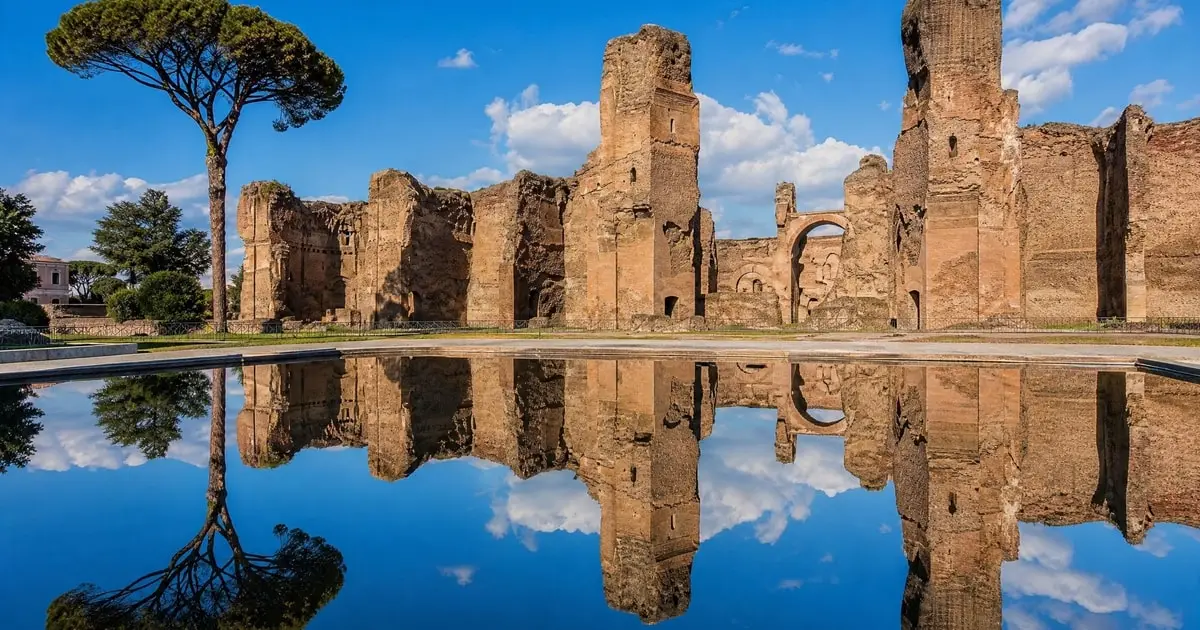 from $10
Lowest price
Visit · by day
Rome: Ancient Baths of Caracalla Ticket & Audio Guide App
Your entry to the Baths of Caracalla with an app audio guide, at your own pace.
Check Availability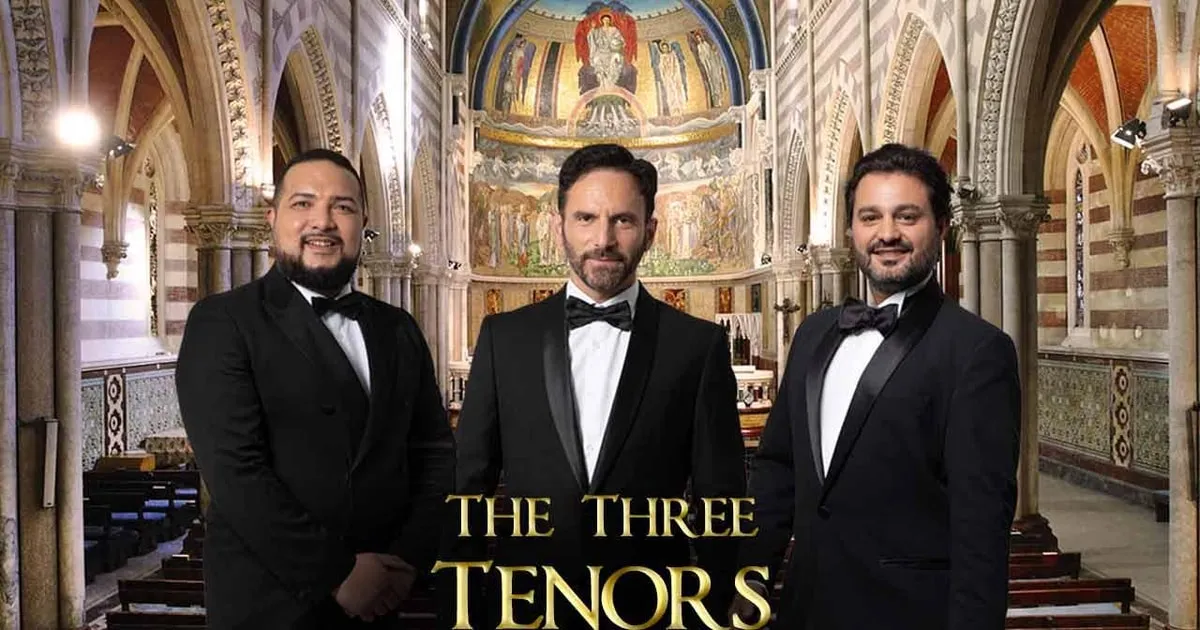 from $39
Top rated
Concert / show · evening
Rome: The Three Tenors at St. Paul's Church Concert Ticket
Three tenors, a string quartet and piano: Nessun dorma, O sole mio and the arias the 1990 concert made famous.
Check Availability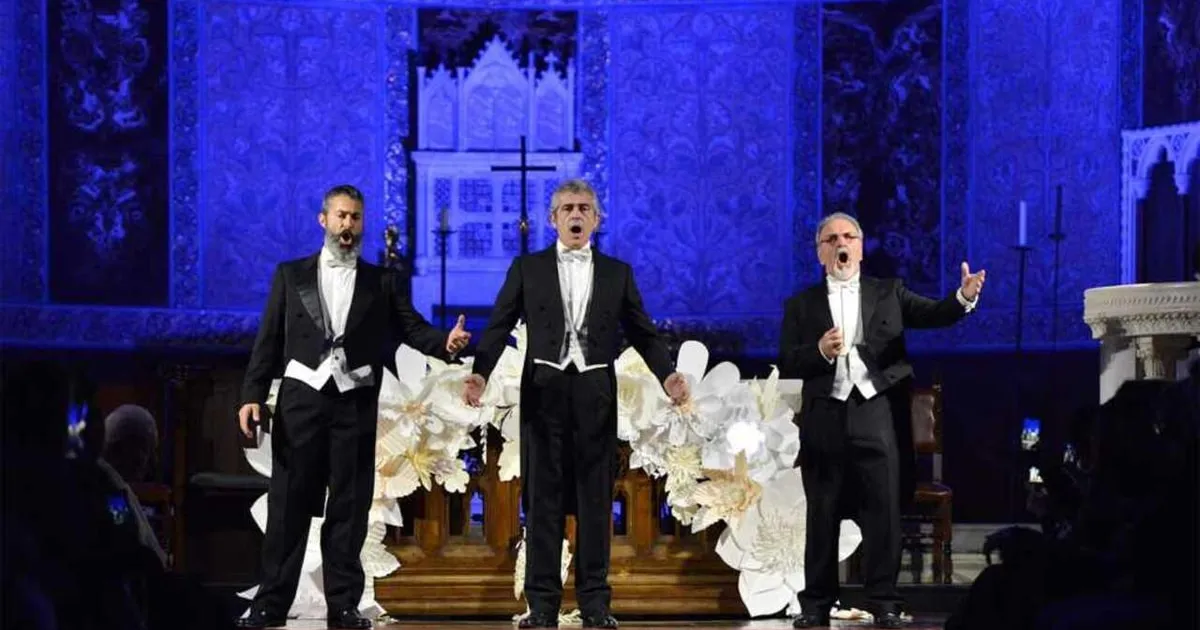 from $45
With dancers
Concert / show · evening
The Three Tenors in Rome – opera arias, Neapolitan songs and ballet
Opera in Roma's Three Tenors: arias and Neapolitan songs with mandolin, grand piano and dance.
Check Availability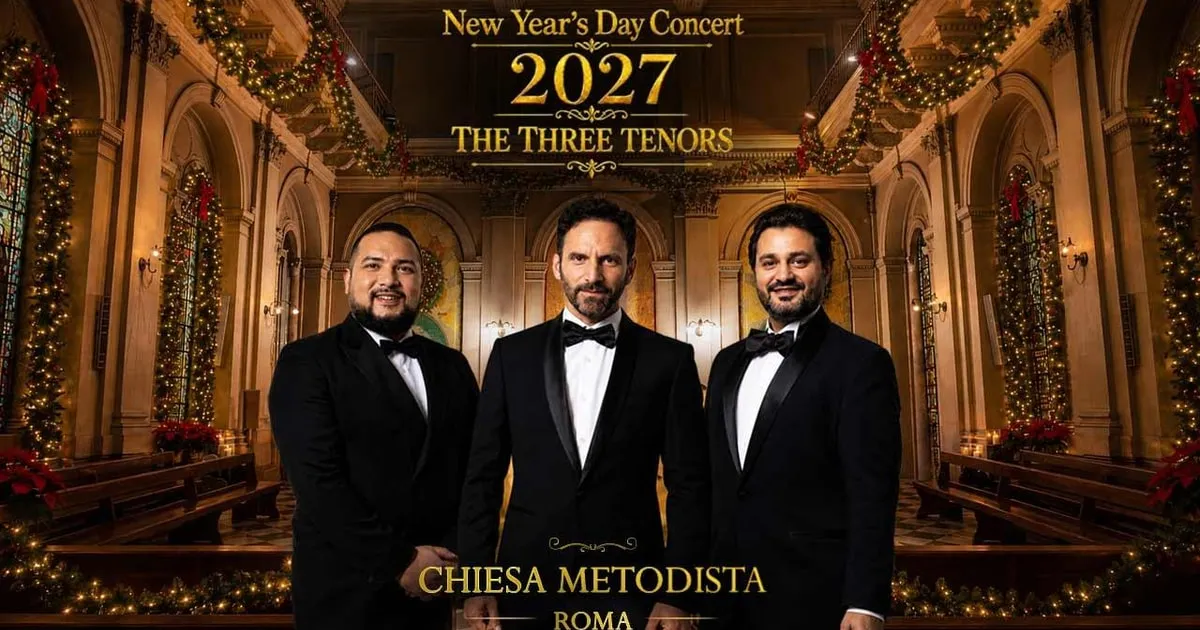 from $45
Seasonal
Concert / show · evening
New Year's Day Concert: The Three Tenors
Opera arias, Christmas songs and New Year waltzes by the Opera e Lirica Three Tenors on New Year's Day.
Check AvailabilityPrices, ratings and details are the platform's own. dollar figures are the listed prices — the platform bills in your account's currency.
Three Tenors Caracalla 1990: questions
What is The Three Tenors most famous piece?
Nessun dorma from Puccini's Turandot. Pavarotti sang it alone at the 1990 Caracalla concert and again for the encore with Carreras and Domingo. It became the trio's signature number and was performed at the World Cup finals of 1994, 1998 and 2002.
What was Pavarotti accused of?
In connection with the 1990 concert, press reports said Plácido Domingo suspected Decca had paid Pavarotti on the side despite the agreed flat fees, which Pavarotti denied, saying they got nothing. His former manager Herbert Breslin later wrote that Pavarotti had secretly received $1.5 million the other two did not receive. This is reported and disputed, not proven in court.
What illness did José Carreras have?
Carreras had leukemia. The 1990 concert was conceived partly to raise money for his José Carreras International Leukemia Foundation and partly as a welcome back to opera by Domingo and Pavarotti after his successful treatment.
When did the Three Tenors last sing together?
The trio last performed together in Columbus, Ohio, in 2003. Pavarotti's Nessun dorma at the 2006 Winter Olympics in Turin was his final performance. The Three Tenors evenings sold in Rome today are tributes by other singers, compared on our Three Tenors in Rome page.
Can I see a concert at the Baths of Caracalla today?
The summer festival continues, run by the Teatro dell'Opera di Roma, though recent restoration work moved the season to the Circus Maximus. Those seats are sold by the theatre only, and we sell none of them. What we list for the Baths are daytime visits, such as the guided tour linked above.
Are the Three Tenors concerts in Rome sung by the original singers?
No. They are tributes by today's tenors, such as the Opera e Lirica and Opera in Roma companies at St Paul's Within the Walls. The programmes include Nessun dorma and 'O sole mio, but Carreras, Domingo and Pavarotti do not appear.